LinkedIn Is Watching You. Here Is Exactly What They Track (And How to Check).
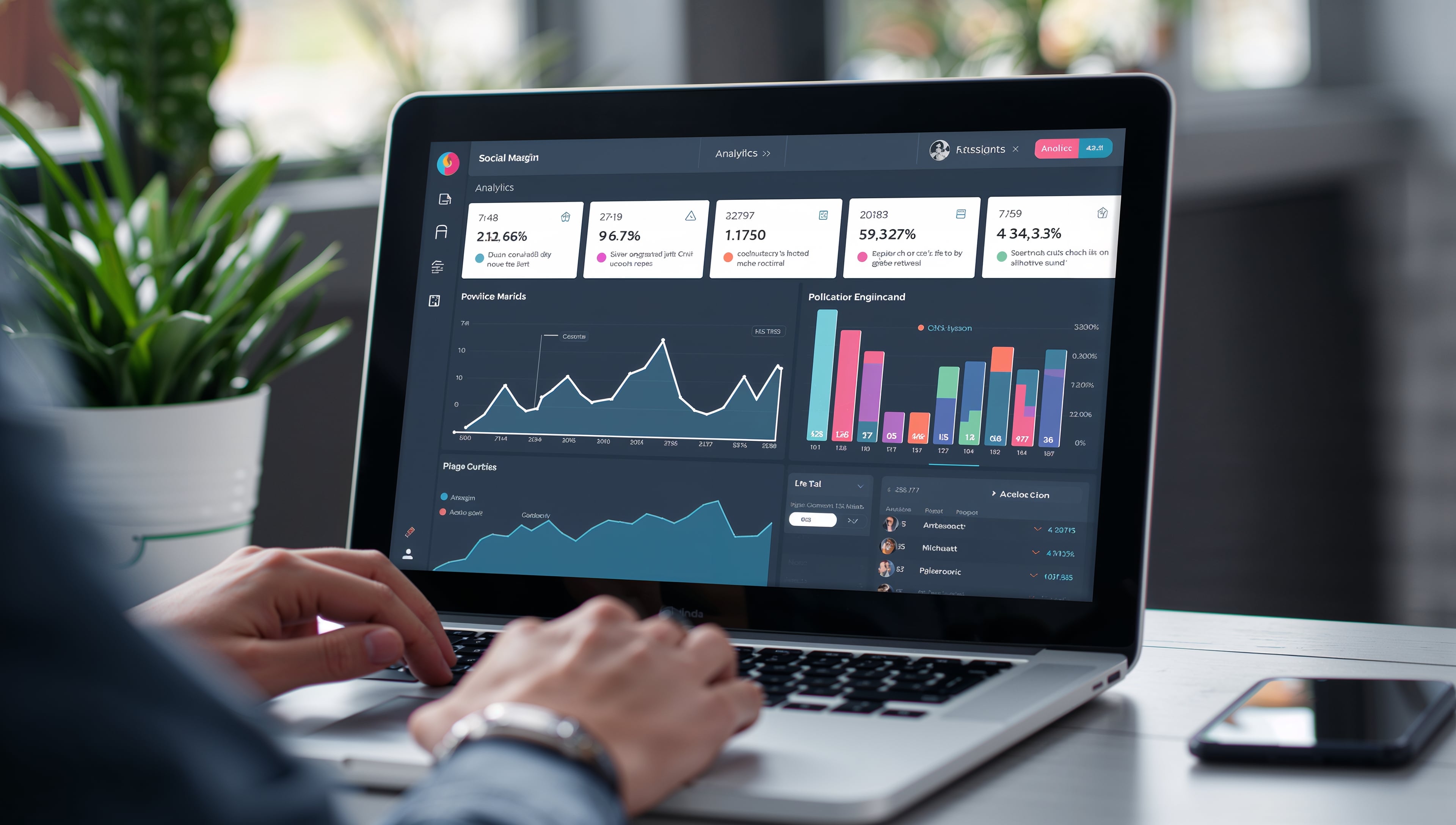
LinkedIn knows more about you than you think. And I'm not talking about your resume.
Most people treat LinkedIn like a digital business card. You update your job title, maybe post something once a quarter, and forget about it. Meanwhile, LinkedIn is quietly building a detailed profile of your behavior — who you look at, who looks at you, what you click, and how long you spend reading.
Here's what they're actually tracking.
Profile Views: Who's Checking You Out
Every time someone views your LinkedIn profile, it gets logged. LinkedIn shows you a filtered version of this data — some viewers appear by name, others show up as "Someone in Marketing at a Tech Company." The detail you see depends on their privacy settings and your subscription tier.
But LinkedIn sees all of it. Every view. Every viewer. Every timestamp.
This matters because profile views are a signal. If a recruiter views your profile three times in a week, something's happening. If a competitor's CEO checks you out after your latest product launch, that's intelligence. If nobody's viewing your profile at all, your visibility is dead.
Search Appearances: Where You Show Up
LinkedIn tells you how many times your profile appeared in search results. They'll even tell you what keywords triggered those appearances — things like your job title, skills, or company name.
What they don't tell you is who searched. Or how far down the results list you appeared. Or whether anyone actually clicked through.
The search appearance metric is useful but incomplete. It tells you that people are looking for someone like you. It doesn't tell you if they found what they needed.
Content Engagement: Every Click Counts
Posted an article? LinkedIn tracks who viewed it, how many impressions it got, how many clicks, reactions, comments, shares, and reposts. They track the demographics of your audience — job titles, companies, locations.
But it goes deeper than your own posts. LinkedIn tracks what content you engage with. Every article you read. Every post you like. Every comment you leave. Every profile you visit from a post. They use this to tune your feed algorithm and serve you more of what keeps you scrolling.
If you spend 20 minutes reading posts about cryptocurrency, expect more crypto content in your feed tomorrow. LinkedIn is watching your attention and optimizing for engagement, same as every other social platform.
Off-Platform Tracking
This is where it gets uncomfortable. LinkedIn uses tracking pixels and cookies to follow your activity outside of LinkedIn. If you visit a website that has a LinkedIn Insight Tag installed (and thousands do), LinkedIn knows you were there.
They tie this back to your profile for ad targeting. That's why you see ads for a product right after visiting their website — even though you never searched for it on LinkedIn.
You can opt out of some of this in your privacy settings. Most people never do because they don't know it's happening.
What LinkedIn Knows vs. What You See
There's a gap between the data LinkedIn collects and the data they show you. Their "analytics" dashboard gives you surface-level numbers. Profile views this week. Post impressions. Search appearances.
What you don't see: the full behavioral profile they've built. Your click patterns. Your reading habits. The companies and people you research most frequently. Your peak activity hours. How you compare to others in your industry.
That data exists. It feeds their ad platform, their recruiter tools, and their premium features. You just don't get to see it unless you're paying for Sales Navigator or Recruiter.
Why This Matters for Your Business
If you run a business, the surveillance goes both ways. People are checking your company page, your employees' profiles, and your content. You should know about it.
Most LinkedIn analytics are locked behind expensive premium tiers. But the principle is the same one that applies everywhere online: people are forming opinions about your business based on what they find. You need to know what's out there.
That's the same problem in a different package. Whether it's LinkedIn, Google, industry blogs, or review sites — someone is talking about your business right now. The question is whether you know about it.
How to Monitor Your Online Presence
LinkedIn's built-in tools show you a slice of the picture. But your online reputation lives across dozens of platforms, not just one.
Here's a basic monitoring stack that costs nothing:
- LinkedIn analytics — Check weekly. Note trends in profile views and search appearances.
- Google yourself — Search your name and your business name. See what shows up on page one.
- Set up Google Alerts — Free email notifications when your name or brand gets mentioned.
- Use a backlink checker — See which websites link to yours and what they're saying about you. ReviewMySiteNow does this for free with 160+ billion backlinks indexed daily, plus AI sentiment analysis to tell you whether mentions are positive or negative.
The point isn't paranoia. It's awareness. You can't manage a reputation you're not measuring.
Your Privacy Settings Worth Checking
If you want to limit what LinkedIn tracks, here are the settings to review:
- Profile viewing options — Choose between showing your full name, partial info, or browsing anonymously
- Ad preferences — Turn off interest-based ads and audience data from LinkedIn partners
- Data sharing — Opt out of research and marketing data sharing
- Third-party connections — Review which apps have access to your LinkedIn data
None of this stops LinkedIn from collecting the data internally. It just limits how it gets shared with advertisers and partners.
The Bottom Line
LinkedIn is a business tool. It's also a surveillance tool. Every platform that's free to use makes money from your data — LinkedIn is no different.
The smart move isn't to delete your account. It's to be intentional about what you share, understand what's being tracked, and actively monitor what the internet says about you and your business.
Because if you're not watching your reputation, someone else is.
Check what the internet says about your business — free, takes 60 seconds.